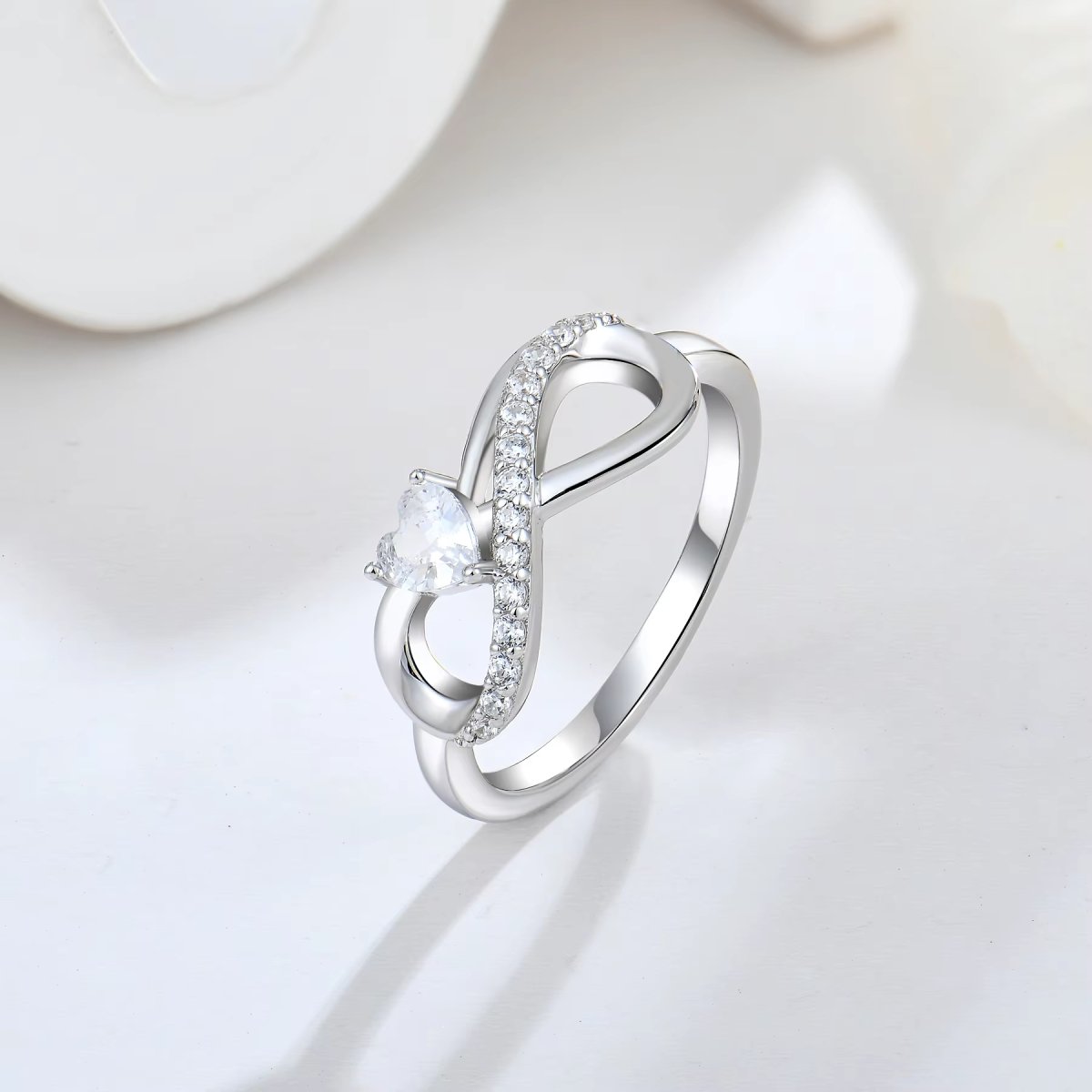
DEF-colour stones from 0.5 mm to 10 mm in 925 silver, 10K–18K gold or brass. MOQ 30 pcs, samples in 7 days, and a batch card that states the numbers.
Silicon carbide, grown in a lab, sold on fire and price rather than on certification.
Moissanite is silicon carbide — a lab-grown stone with more dispersion (fire) than diamond, 9.25 on the Mohs scale, and colour that does not fade. It is not a cubic zirconia substitute: it survives ultrasonic cleaning, does not cloud, and holds a polish for years. What it does not carry is a diamond's resale value or a standardised grading report — which is why the cut you can see matters more than the certificate you are handed.
| Stone | Hardness (Mohs) | Fire / dispersion | Colour stability | Cost index | Where it belongs |
|---|---|---|---|---|---|
| Moissanite (SiC) | 9.25 | 0.104 (highest) | Permanent | 1× | Centre stones from 4 mm up; pieces sold on sparkle |
| Cubic zirconia | 8–8.5 | 0.060 | Clouds over years | ≈0.1× | Pavé, accents, fashion volume at low price points |
| Lab-grown diamond | 10 | 0.044 | Permanent | ≈8–15× | Buyers who need the word "diamond" on the card |
| Natural diamond | 10 | 0.044 | Permanent | ≈40–80× | Bridal and heritage pieces |
Cost index is relative, not a quote. A 6.5 mm moissanite and a 6.5 mm lab diamond can sit in the same setting and plating — the difference in your landed cost is almost entirely the stone.
Stock sizes from 0.5 mm to 10 mm, in round brilliant, oval, cushion, emerald, pear and radiant cuts.
| Stone diameter | Diamond-equivalent weight | Typical use |
|---|---|---|
| 3.0 mm | ≈0.10 ct | Accent stones, three-stone shoulders |
| 4.0 mm | ≈0.20 ct | Small solitaires, children's and second-hole earrings |
| 5.0 mm | ≈0.50 ct | The volume seller — pendants, studs, halo centres |
| 6.5 mm | ≈1.00 ct | The classic "one carat" look, rings and pendants |
| 8.0 mm | ≈2.00 ct | Statement rings, larger pendants |
| 9.0–10.0 mm | ≈2.75–3.50 ct | Editorial pieces; check setting security and weight first |
Moissanite is sold by millimetre, not by carat. The carat figure is a diameter conversion for buyers who think in carats — a 6.5 mm stone weighs about 0.60 g, not 0.20 g. Always quote the millimetre size in your purchase order, or the stone you reorder will not match the one you approved.
Moissanite is hard but brittle. It resists scratching and does not dull, yet a sharp edge struck against a hard surface will chip — the same failure mode as diamond, at a lower impact threshold. That single fact decides the setting.
A four-prong setting shows the most stone and gives the strongest light return, so it is what most catalogue photography uses. It also leaves four exposed corners. For a piece that will be worn daily — a ring, above all — a bezel or a half-bezel with two prongs protects the girdle and costs less in repairs than a re-set stone. Between the two extremes, a six-prong setting is the compromise we recommend for stones above 6.5 mm: more metal at the girdle, almost no loss of light.
| Setting | Stone protection | Light return | Best for |
|---|---|---|---|
| Four-prong | Exposed girdle at four points | Highest | Pendants, earrings, occasional-wear rings |
| Six-prong | Good — metal between every facet pair | High | Rings above 6.5 mm, daily wear |
| Bezel / half-bezel | Full girdle protection | Slightly lower, more even | Bracelets, men's pieces, active wear |
| Pavé halo | N/A — accent stones only | Adds apparent size | Halo designs; keep accent CZ, not moissanite |
Do not pavé moissanite. Below 2 mm the cost per stone is meaningless next to the setting hours, and tiny stones are the first thing to loosen. Use CZ in the halo and moissanite in the centre — nobody sees the difference at that size, and the repair rate drops.
| Base metal | Plating | Wear behaviour | Cost | When to choose it |
|---|---|---|---|---|
| 925 sterling silver | Rhodium, 18K gold, rose gold | Plating wears at 6–18 months of daily wear; re-polish or re-plate | Baseline | The default for moissanite — silver is the value story |
| 925 sterling silver | None (polished white) | Tarnishes; needs a cloth | Baseline | Buyers who want an unplated, "honest metal" look |
| 10K / 14K / 18K gold | None — solid | No plating to wear; can be re-polished for decades | 3–6× silver | Pieces sold above $150 retail |
| Brass | Heavy gold plate (1–3 µm) | Plate wears through at high-friction points | Lowest | Fashion volume where the stone sells the piece |
| 316L stainless steel | None or PVD | Scratch-resistant, no tarnish | Low | Men's pieces and unisex bands |
On silver, plating thickness is the number that decides whether a customer comes back. We plate rhodium at 0.05–0.10 µm for fashion lines and 0.10–0.15 µm where the piece is sold as long-wear. Ask for the number in writing; a supplier who cannot state it is guessing.
Two checks matter, and one of them will be used on you by your own customer.
The thermal tester. A cheap diamond tester measures heat conductivity, and moissanite conducts heat like diamond. It will read "diamond". This is not a scam, it is physics — and it is why some buyers are told their moissanite is a diamond. A multi-tester that also measures electrical conductivity identifies moissanite correctly. If you sell online, say plainly what the stone is; the returns cost more than the margin.
Facet doubling. Moissanite is birefringent: under a 10× loupe, the back facets double. It is the only test that needs no instrument, and it is the one a serious buyer will use. We check every centre stone at 10× before setting, and again after polishing, because polishing heat can shift a stone in its seat.
| Check | What we do | What you should see on arrival |
|---|---|---|
| Stone identity | Loupe doubling + multi-tester on every centre stone | Consistent colour between pieces in the same order |
| Cut and light return | Visual pass under daylight and 3,000K lamp; reject stones with a visible bow-tie or dead centre | Bright across the face, not just at the edges |
| Seat security | Pull test at 2 kg on prong-set pieces; ultrasonic clean then re-inspect | No movement, no gap at the girdle |
| Plating thickness | X-ray gauge on 5 pcs per lot | Stated micron figure on the QC sheet |
| Finish | 40× inspection for polish lines, solder pits, rhodium stains | Mirror finish, no grey edges around settings |
We issue an in-house card per batch: millimetre size, colour grade (DEF or GHI), clarity (VVS/VS), metal and plating. We do not issue "GRA" certificates as if they were a grading authority — that format is a marketing artifact, not a laboratory report, and buyers who know stones recognise it.
Set in 925 sterling silver with rhodium, 18K gold or rose gold plating; 10K–18K solid gold on request. Every batch ships with an in-house stone card and a plating thickness figure. See finished moissanite and CZ pieces in the catalogue, or send a reference for pricing.
It is a real stone — silicon carbide, grown in a lab. It is not diamond, and it is not glass or CZ. Naturally occurring moissanite exists only in meteorites; everything sold as jewellery is lab-grown, which is why the supply is consistent and the price is stable.
On a thermal tester, yes — moissanite conducts heat like diamond. On a multi-tester that checks electrical conductivity, it reads as moissanite. Tell your customer what the stone is; being caught claiming diamond is a chargeback, not a sale.
No. CZ clouds because the material absorbs skin oils and micro-abrades over years. Moissanite keeps its clarity and polish; the wear risk is chipping at the girdle, which is a setting question, not a stone one.
Yes, and it is our most common configuration. Two caveats: silver prongs wear thinner than gold over years, so we use slightly heavier prongs on silver, and rhodium plating will need re-plating at 6–18 months of daily wear. Both are normal service items, not defects.
30 pieces per design in 925 silver or brass, 50 pieces where a new mould or a stone size outside our stock range is needed. Samples in 7 days after stone and setting approval, bulk in 25–35 days.
Both. Loose moissanite in any size we stock from 0.5 mm to 10 mm, and setting-only service on your own stones or findings. Setting-only orders carry the same 30-piece minimum because bench time is the constraint, not the stone.
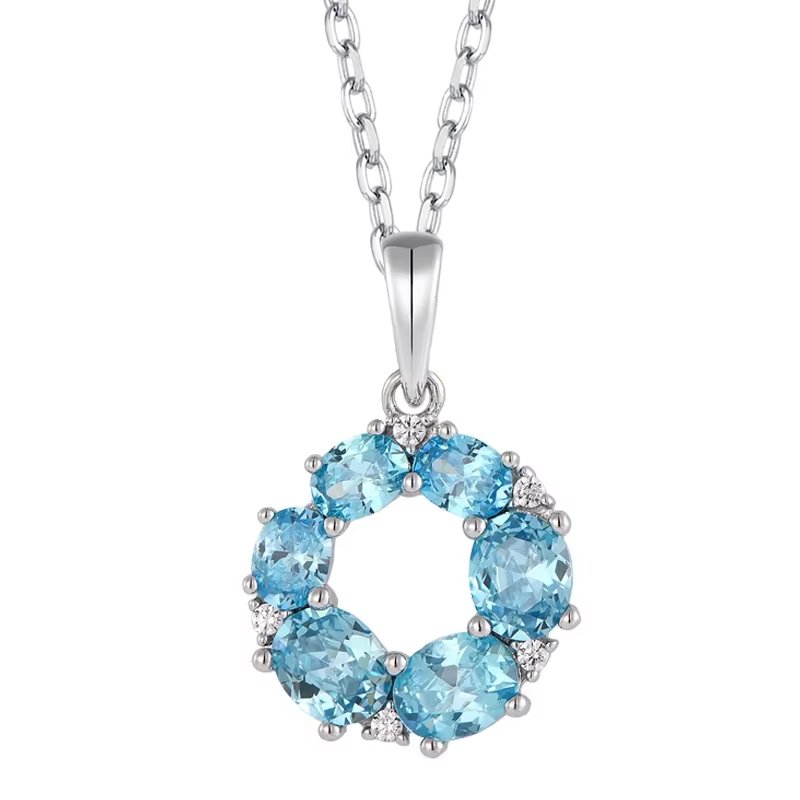
Tell us the style, target price and quantity. Within 24 hours you will have material options, MOQ, plating spec and a production date — no obligation, no design fee.