We run our own 3,800㎡ factory — casting, setting, polishing and plating under one roof. So this page is written the way we explain ODM to a buyer: what it really means, what drives your unit price, and the six checks worth doing before you send a deposit.
ODM (Original Design Manufacturing) means the factory already owns the design. You pick a style from its developed library, change the stone, metal, plating, size or logo, and it is produced under your brand. No new mould, no design fee, and MOQ from 30 pieces per style — which is why ODM is the usual route for testing a market before committing to a full OEM line.
The distinction that matters commercially: with ODM you are buying execution, not development. The model, its mould and its costing already exist, so the first sample can be in your hand in a week and the unit price is known before you commit. With OEM you buy the design work first and the production second, and you pay for it twice — once in tooling, once in the longer lead time.
What most buyers searching for a jewelry ODM manufacturer are really trying to avoid is not the design question. It is two specific failures: a three-month development cycle that kills a seasonal launch, and a trading company that cannot control the workshop it subcontracts to. Both failures have the same root cause — nobody in the chain owns the bench that makes the piece.
Every ODM order here runs through our own benches in Guangzhou. CAD, mould making, casting, stone setting, polishing, plating and packing all happen inside one building, which is why we can tell you a plating tone will match across a set, and why we can give you a production date instead of a range.
Also relevant: 300,000+ pcs monthly capacity · 30+ new styles released daily · lead, cadmium and nickel free to EU standard · material certificate issued per batch.
Every one of these can be verified remotely, in about thirty minutes, without a flight to Guangzhou. We have written out what a good answer sounds like — including where we stand on each — because these are the exact questions buyers ask us after being burned once.
If a supplier passes all six, the remaining risk is commercial rather than structural — price, MOQ and payment terms, which are covered below. If they fail three or more, no price is low enough to compensate.
Two ODM quotes for the same photograph can differ by a factor of three. Almost never because of the design — because of the eight variables below. Compare these before you compare totals.
| Cost driver | What it changes | Where buyers get this wrong |
|---|---|---|
| Base metal & gram weight | The largest single line. Brass, 925 silver and 316L steel sit in different bands, and weight is quoted per piece, not per look. | Approving a render without asking the gram weight — a hollow bangle and a solid one look identical in a 3D image. |
| Plating thickness (µm) | Decides how long the colour survives. Thin plating is the cheapest saving available and the most expensive one in returns. | Comparing quotes without asking microns. A 0.03 µm and a 0.1 µm piece are not the same product at different prices. |
| Stone type & setting hours | CZ, synthetic corundum, glass and freshwater pearl are priced very differently; pavé multiplies setting labour per stone. | Specifying 60 pavé stones on a target retail price that only supports 20 — the sample is fine, the margin is not. |
| Clasp & findings | A box clasp, a lobster claw and a magnetic clasp are three different costs and three different failure rates. | Letting the factory choose silently, then discovering the clasp is the number-one return reason six months later. |
| Polishing grade | Hand polish versus barrel polish shows up in edge definition and in the first photograph your customer sees. | Cutting polish to hit a price, then reshooting product images because the edges read soft. |
| Packaging | Pouch, box, backing card, printed sleeve and insert are often 5–15% of landed cost at low volume. | Forgetting packaging until after the price is agreed, then absorbing it — or shipping in bulk polybags and losing the unboxing. |
| Order quantity | Setup time is spread across the run, so unit price falls as quantity rises, with a step at each MOQ break. | Ordering 30 pieces across eight styles: you pay eight setups and get no break at all. |
| Tooling amortisation | In ODM, usually zero. In OEM, a one-off charge spread across your first run — and it is yours to keep. | Paying tooling on an ODM style that already exists, because nobody asked whether the mould was already cut. |
Practical rule: ask every supplier to quote to a spec — metal, gram weight, plating microns, stone count, clasp type, packaging. Quotes that cannot be broken down are not comparable, and the cheapest one usually hides the difference in plating thickness.
No "it depends" — these are the figures we quote, and the conditions that change them are listed underneath.
| Stage | What happens | Time | Cost |
|---|---|---|---|
| Quotation | We review your reference, confirm material, plating and MOQ | Within 24 hours | Free |
| CAD drawing | 3D render with dimensions, stone sizes and gram weight; two revisions free | 2–3 working days | Free with order |
| Sample | Physical piece in your final plating and stone colour | 7 days | Refunded on bulk order |
| Bulk production | 30 pcs MOQ per style on existing designs | 15–25 days | Quoted per design |
| QC & packing | 50 checkpoints, private-label packing | 2–3 days | Included |
What moves these numbers: new tooling pushes MOQ to 50–100 pcs per style and sampling to 7–15 days · a size run beyond three sizes is priced as a separate setup · stones above 10 mm or fancy cuts add sourcing time · custom clasps and printed packaging add 3–5 days · repeat styles already in our library can be rushed. Trial orders of 30–50 pieces across two or three styles are normal here — that is what the MOQ is for.
Both are produced in the same building. The difference is who owns the design and how much tooling you pay for.
| ODM | OEM | |
|---|---|---|
| Who owns the design | Factory design, licensed to you | Your design, produced exclusively |
| Starting point | Existing style, modified to your spec | Sketch, tech pack or physical sample |
| Typical MOQ | 30 pcs per style | 50–100 pcs per style |
| Sampling time | 3–7 days (no new mould) | 7–15 days (new mould + CAD) |
| Tooling cost | None, or shared | Charged once, owned by you |
| Best for | Testing a market, fast range building | Building a protected, exclusive line |
Many of our clients start ODM to validate demand, then move the winning styles to OEM for exclusivity. Read the full breakdown on our OEM & ODM services page.
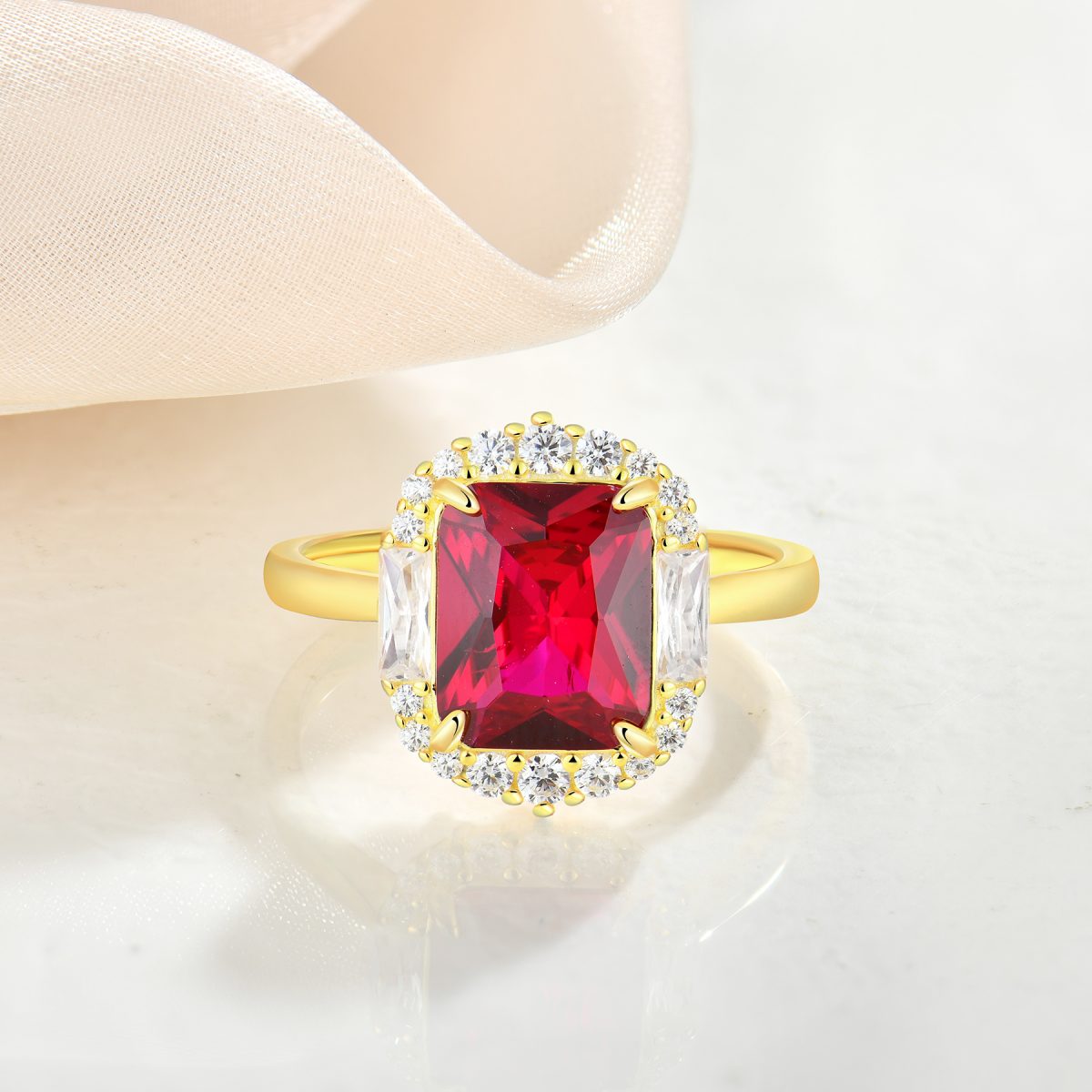
Dedicated benches per category. That matters when a buyer needs a coordinated range rather than four unrelated suppliers.
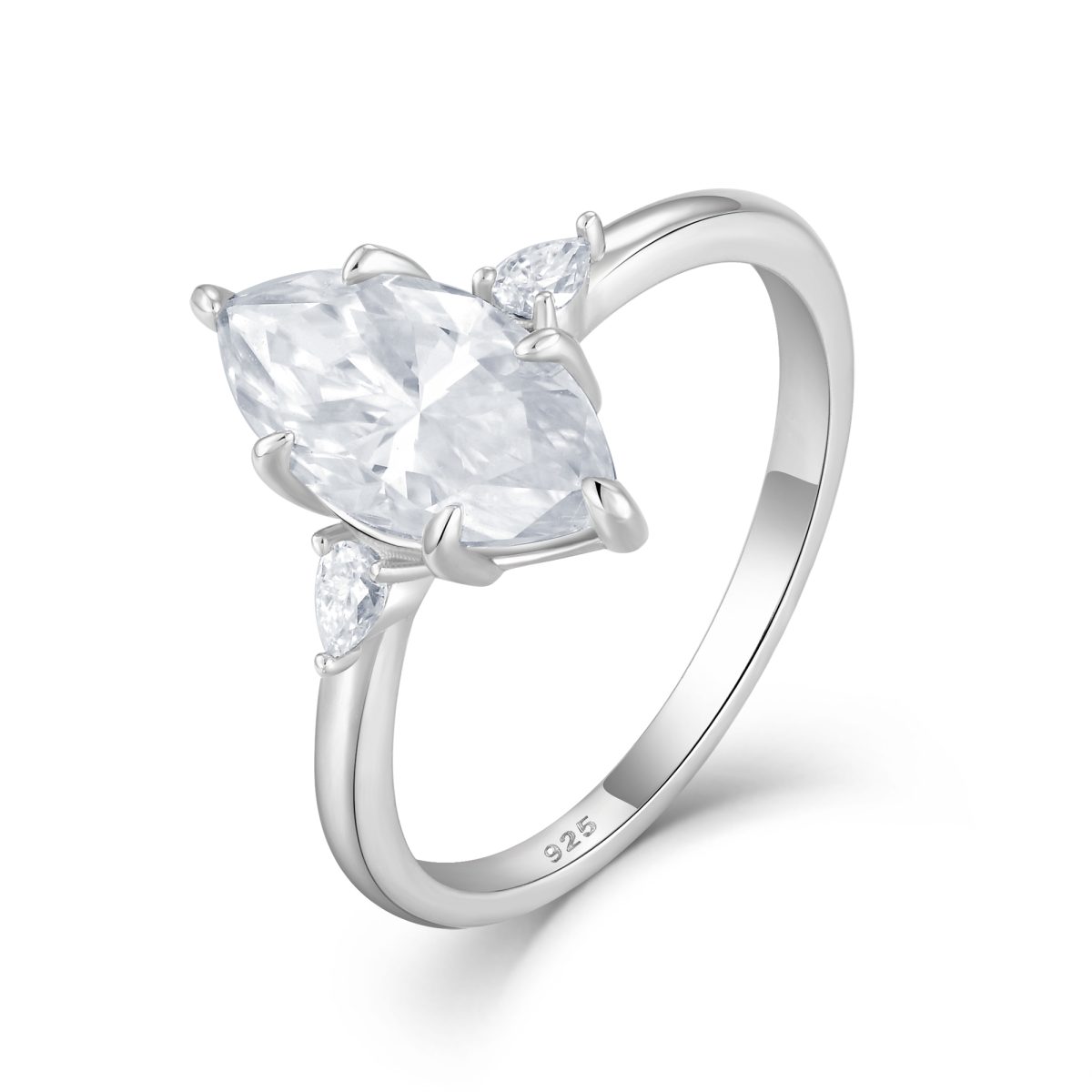

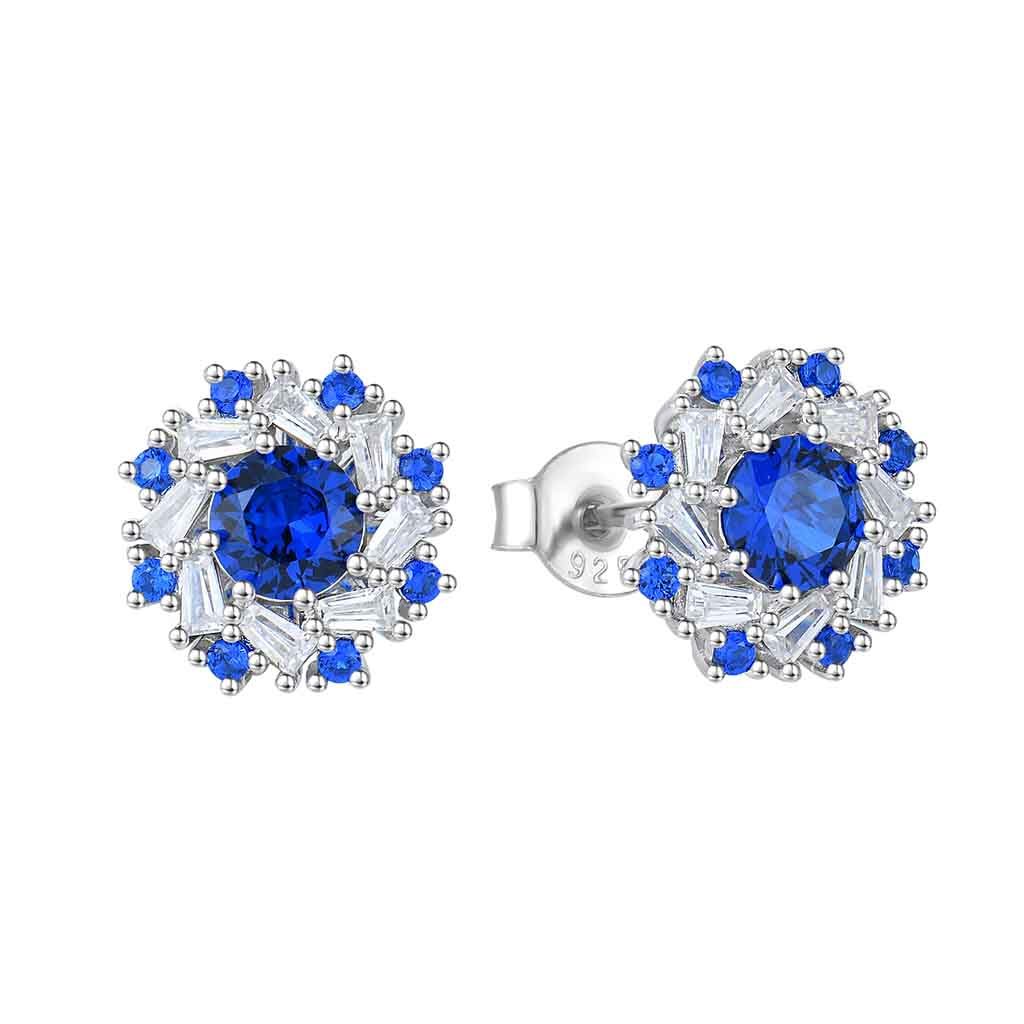
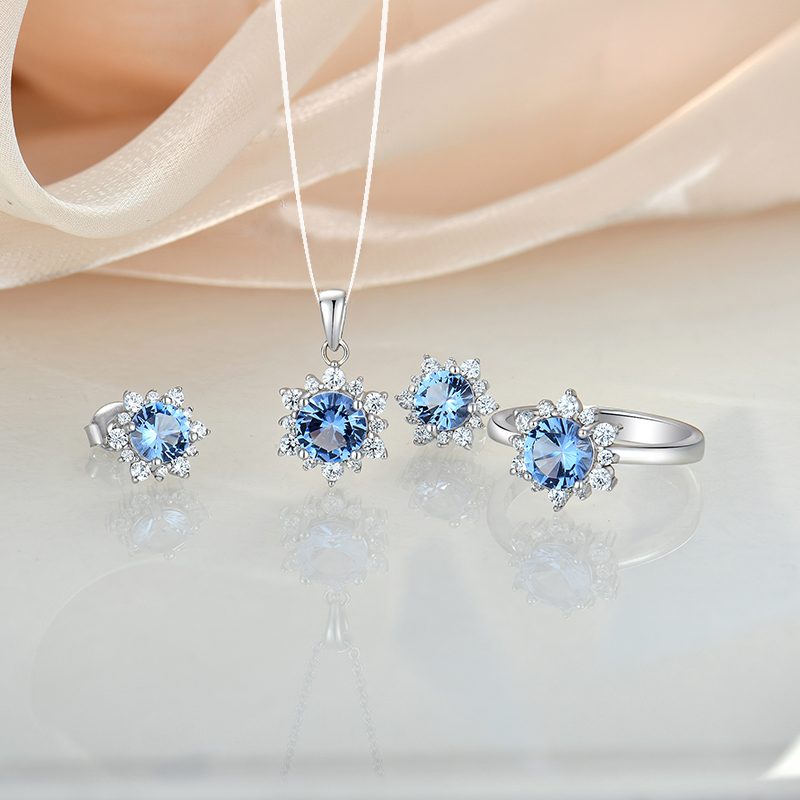
Looking for a single category in depth? See the dedicated pages for ODM bangle manufacturer, ODM earrings manufacturer and ODM jewelry set manufacturer. Full catalogue on the products page.
Material choice drives unit cost, weight, and whether the piece survives daily wear. Here is the honest comparison we give every new buyer.
| Base metal | Typical use | Plating | Notes |
|---|---|---|---|
| Brass | Fashion jewelry, high-volume ranges | Rhodium, 18K gold, rose gold, black rhodium | Lowest unit cost; best for trend-driven lines with 6–12 month cycles |
| 925 sterling silver | Fine jewelry, bridal, gift | Rhodium, 18K gold, rose gold; e-coat optional | Stamped 925, nickel-free; can be re-polished rather than replaced |
| 316L stainless steel | Men's lines, everyday wear, water contact | PVD gold, black, rose gold | Hypoallergenic and tarnish-resistant; heavier hand-feel |
Stones: cubic zirconia, synthetic corundum and spinel, glass, natural freshwater pearl, and semi-precious stones on request. Every batch ships with a material certificate covering lead, cadmium and nickel content — this is the document your own compliance team will ask for, so keep it with the shipment paperwork.
The failures buyers complain about are rarely dramatic — a stone that loosens after three weeks, plating that fades at the edges, a bangle clasp that will not click, ring sizes that run half a size small. Each of these comes from a skipped inspection, not a bad design.
That is why our QC is split across the whole line rather than saved for the end. Stone security is pull-tested after setting and again after plating. Plating thickness is measured on a sample from every lot. Clasps are opened and closed a set number of times. Every ring is checked against a sizing gauge, and the last checkpoint is a full visual pass under daylight-balanced lighting. Only then does the piece reach packing — and the packing line inspects it once more before the box closes.
If you already have a QC checklist, send it. We will confirm which points we cover and where your standard is stricter than ours, so there are no surprises at arrival.
A supplier that never says no is not being helpful — it is postponing the objection until after you have paid.
ODM stands for Original Design Manufacturing. The factory owns a library of designs that are already developed, sampled and priced. You select a style, change the stone colour, metal, plating, size or clasp, add your logo, and the factory produces it under your brand. Because no new mould is cut, there is no development fee and sampling takes about a week instead of a month.
Ask five questions: who owns the mould, where casting physically happens, whether they can send a written QC checkpoint list, whether they will do an unscripted video walkthrough on a stated date, and what they cannot make. A factory answers all five with specifics. A trading company answers in generalities, says yes to every capability, and cannot show you a mould shop.
MOQ starts at 30 pieces per style for existing ODM designs in brass or 925 silver, and 50–100 pieces per style when a model needs new tooling or a size run beyond three sizes. Mixed-style orders can combine several designs to reach one minimum, which is how most brands test a market.
CAD drawings are issued in 2–3 working days with two free revision rounds, and physical samples ship within 7 days of design approval. The sample is made on the same bench that will run your bulk order, in your final plating and stone colour. The sample fee is refunded against your first bulk order.
Cost is set by gram weight of base metal, plating thickness in microns, stone type and setting hours, the clasp and findings, polishing grade and packaging — not by the design alone. Two quotes for the same look often differ because one is 0.03 micron plating and the other is 0.1 micron. Always ask for the spec behind the number before comparing prices.
Yes. Rings, bangles, bracelets, earrings, necklaces, pendants and matched jewelry sets are all produced in-house. Each category has dedicated benches and its own QC checkpoints, so a set can be sampled and produced as one coordinated unit rather than assembled from four unrelated suppliers — which is the usual cause of mismatched plating tone.
Yes. Main materials are brass, 925 sterling silver and 316L stainless steel, with rhodium, 18K gold, rose gold and black rhodium plating. All items are lead, cadmium and nickel free and compliant with EU and US chemical safety requirements, and every batch ships with a material certificate.
Yes. The logo can be engraved, laser-marked or stamped on the product, and applied to hang tags, pouches, boxes and backing cards. Private-label packaging is produced to your artwork, and we will show you a photographed proof before the run starts.
Exclusivity is available once an agreed volume is committed, and tooling ownership can be transferred to you. Below that volume the design stays in our library and may be sold to other buyers in different markets. We state which designs are exclusive and which are open before you order, not afterwards.
Send reference images, your target retail price and quantity to sale16@endlessjewe.com or through the contact page. You receive material options, MOQ, unit price range and a production date within 24 hours, with no obligation and no design fee.
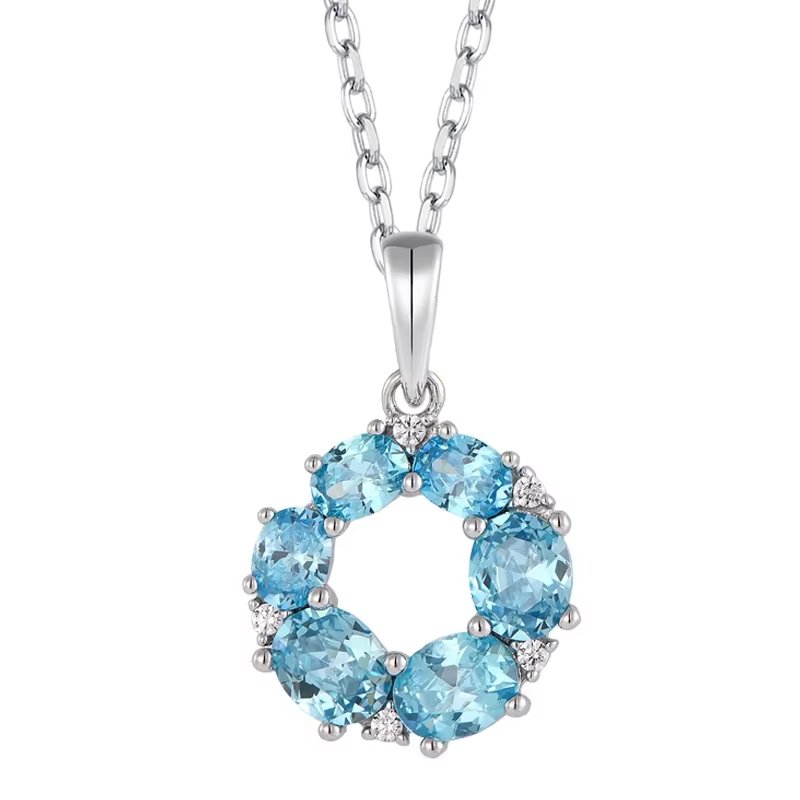
Tell us the style, target price and quantity. Within 24 hours you will have material options, MOQ, plating spec and a production date — no obligation, no design fee.